Flex-E subsidy relaxed in 2026
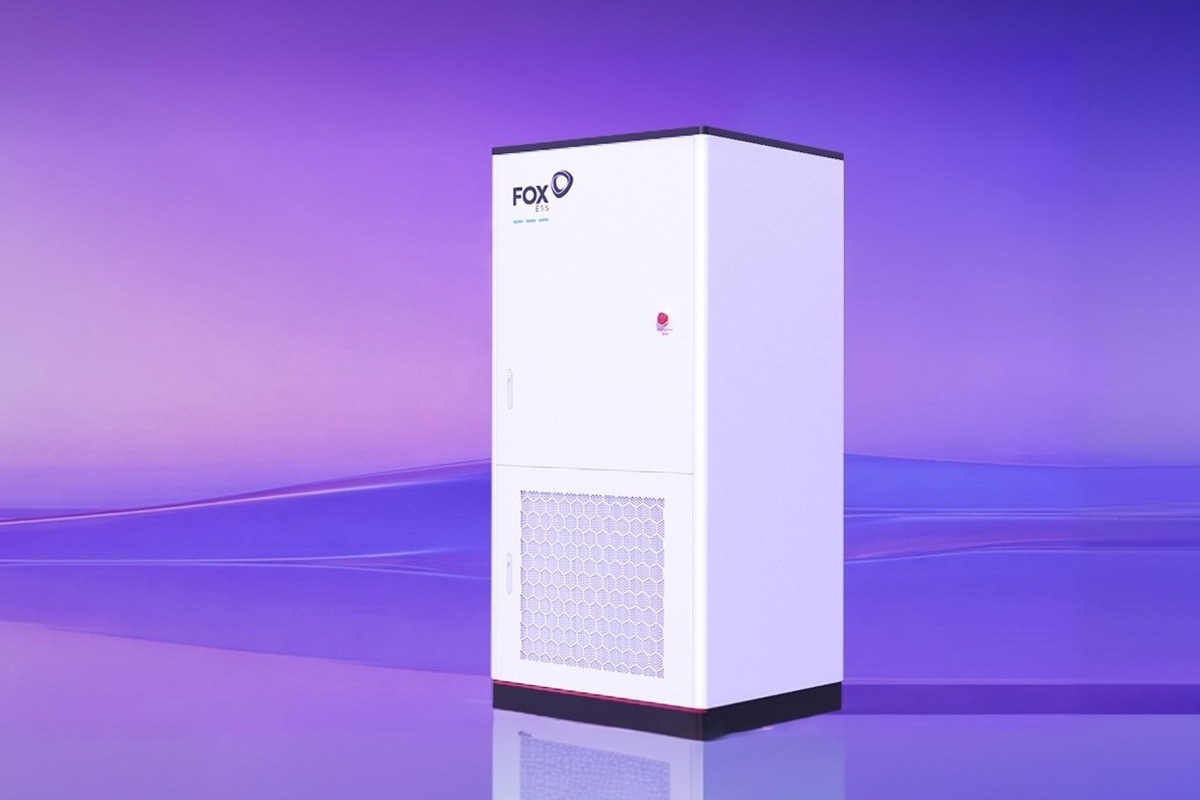
Good news for installers assisting clients with the Flex-E subsidy. The Ministry of Climate and Green Growth has announced changes to the Flex-E scheme for its second opening in spring 2026.
The main change: smaller companies will no longer have to enter into a congestion management contract to qualify for subsidies on flexibility measures.
What will change?
Until now, a congestion management contract with the grid operator was mandatory when applying for subsidies to implement flexibility measures. This contract laid down how a company deployed flexible capacity in the event of grid congestion. In practice, this proved a high threshold for many smaller wholesale consumers.
From the second opening of the Flex-E subsidy in 2026, this obligation will disappear for smaller companies with an electricity connection of 100 kW or more. This will make it easier to apply for subsidies for measures such as energy storage, smart control or flexible consumption.
The Flex-E subsidy will continue to consist of three components:
- Flexibility scan
- Feasibility study
- Realization of flexibility measures.
For the flexibility scan and feasibility study, a congestion management contract was already not mandatory. For larger connections or specific situations, this obligation may still apply. RFO assesses this per application.
What does this mean for installers?
This adjustment significantly lowers the entry level for customers. Installers can because of this:
- Support more customers with Flex-E applications
- Switch faster without lengthy coordination with grid operators
- Offer flexibility solutions such as batteries and energy control more easily
Official information
The modification has been published by Rijksdienst voor Ondernemend Nederland (RVO). The most up-to-date conditions and details can be found on RVO's official Flex-E page.